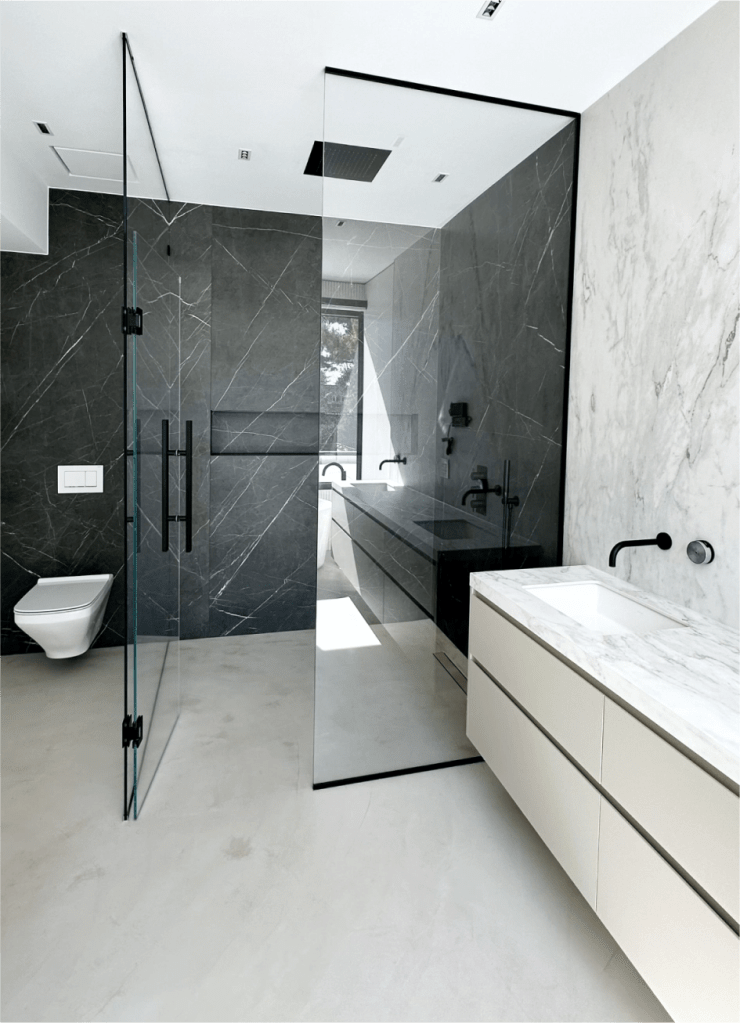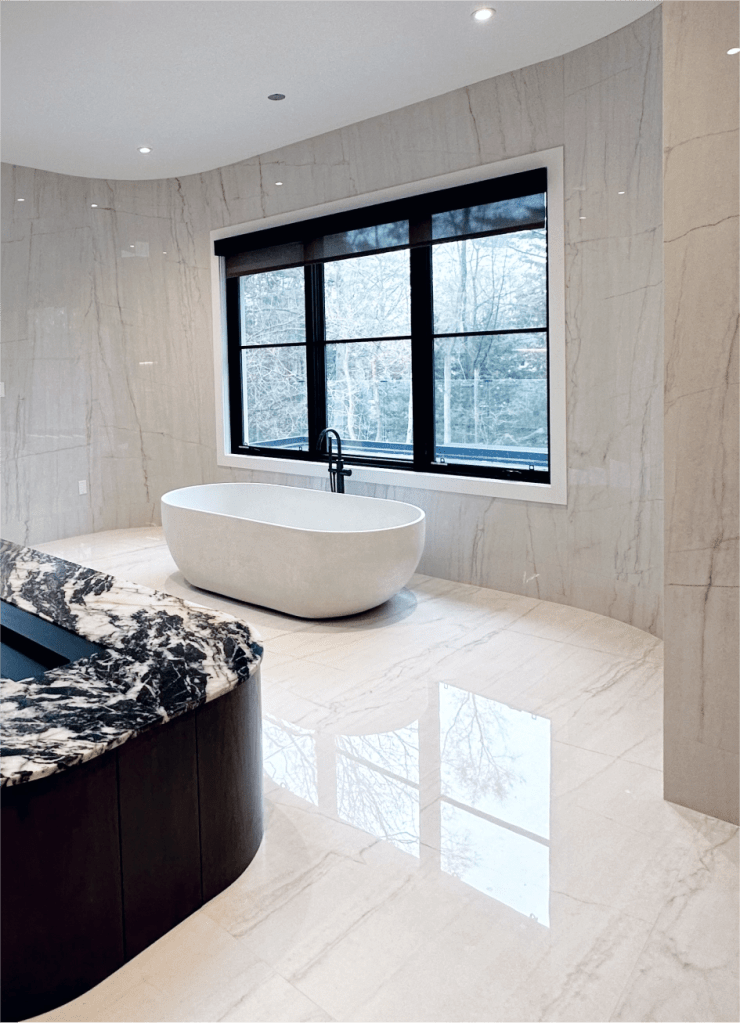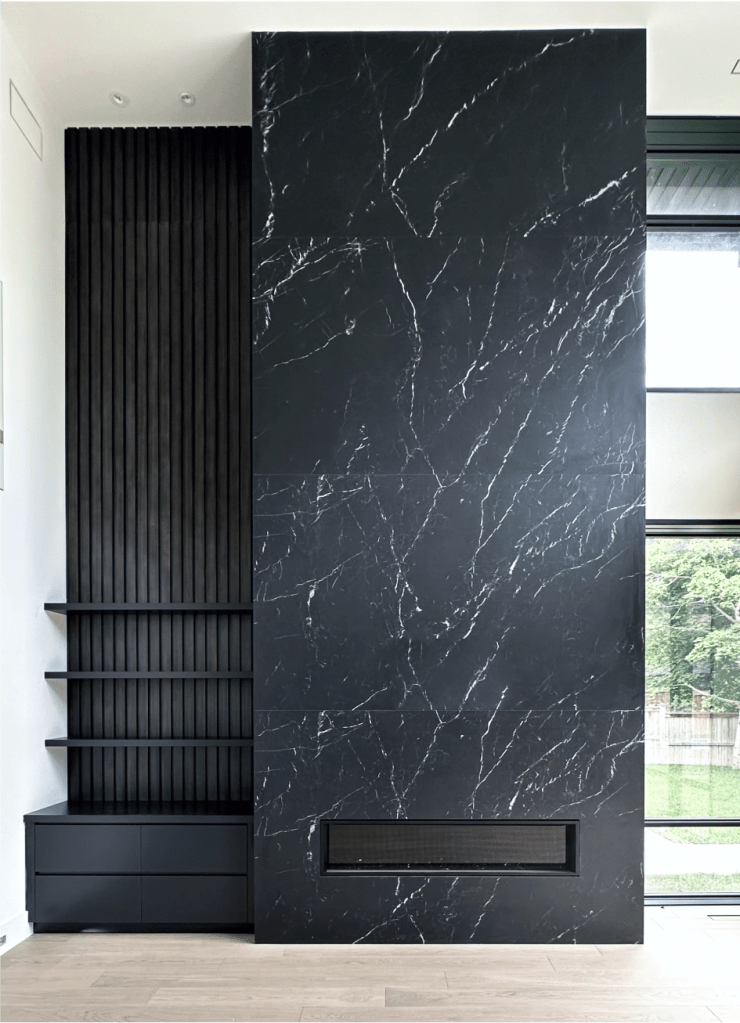
Grout is the most overlooked component of any tile installation, yet it directly affects the appearance, durability, hygiene, and waterproofing of every tiled surface in your Toronto home. The wrong grout choice can turn a beautiful tile installation into a maintenance nightmare. The right choice makes your tile look better, last longer, and stay cleaner with minimal effort.
This comprehensive guide covers everything Toronto homeowners need to know about selecting, maintaining, and replacing tile grout.
Understanding Grout Types
#Cement-Based Grout
The most common grout type, made from Portland cement mixed with water and fine sand (sanded) or without sand (unsanded). Cement grout is affordable, widely available, and suitable for most residential tile applications.
**Sanded Cement Grout:** Used for grout joints 1/8 inch (3mm) or wider. The sand provides structural strength and prevents cracking in wider joints. This is the standard grout for floor tile, shower walls, and most wall tile installations.
**Unsanded Cement Grout:** Used for grout joints narrower than 1/8 inch. The smooth texture prevents the sand from scratching polished tile surfaces. Common for rectified porcelain, polished marble, and glass tile installations.
**Pros:** Low cost ($15–$30 per bag), easy to work with, available in dozens of colours, easy to repair. **Cons:** Porous (absorbs water and stains), requires sealing, can crack over time, prone to mould and mildew in wet areas without proper maintenance.
#Epoxy Grout
A two-part grout made from epoxy resin and hardener. Epoxy grout is non-porous, extremely stain-resistant, and waterproof without sealing.
**Pros:** Completely waterproof, stain-proof (resists wine, coffee, oil, food), does not require sealing, resistant to chemicals and bacteria, virtually maintenance-free, available in consistent colours. **Cons:** Higher cost ($50–$100 per unit), more difficult to work with (fast cure time, sticky consistency), requires experienced installation, harder to repair or replace.
**Best applications:** Shower floors and walls, kitchen backsplashes, countertop tile, bathroom floors, anywhere that stain resistance and zero maintenance are priorities.
#Urethane Grout
A single-component, pre-mixed grout made from urethane polymers. Urethane grout offers many of epoxy's benefits with easier application.
**Pros:** Pre-mixed (no measuring or on-site mixing), flexible (resists cracking from minor movement), stain-resistant, does not require sealing, easier to apply than epoxy. **Cons:** Higher cost than cement grout, not as hard or durable as epoxy, limited colour range, must be used within the shelf life.
#Specialty Grouts
**Quarry tile grout:** A heavy-duty sanded grout designed for thick joints in quarry tile and brick installations. **Furan grout:** A chemical-resistant grout used in industrial and commercial settings (laboratories, food processing facilities). Not common in residential applications.
Grout Colour Selection
Grout colour has a dramatic impact on the final appearance of any tile installation. The same tile can look completely different depending on whether the grout matches, contrasts, or complements the tile colour.
#Matching Grout (Same Colour as Tile)
Matching grout creates a seamless, monolithic appearance where the tile pattern flows without interruption. This approach minimizes the visual presence of grout lines and makes rooms feel larger and more cohesive.
**Best for:** Large-format tile installations, modern minimalist design, tile drenching (full wall and floor coverage), creating a spa-like bathroom atmosphere.
#Contrasting Grout
A grout colour that contrasts with the tile highlights the tile pattern, shape, and layout. Dark grout with light tile (or vice versa) creates a graphic, bold look that emphasizes the geometry of the installation.
**Best for:** Subway tile (the classic white tile with dark grout combination), geometric patterns, herringbone and chevron layouts, vintage or industrial design styles.
#Complementary Grout (Slightly Different Shade)
A grout colour one to two shades darker or lighter than the tile provides subtle definition without the drama of full contrast. This is the most forgiving approach because it shows less staining and colour variation than pure white grout while still defining the tile pattern.
**Best for:** Most residential applications, natural stone installations (where grout should blend rather than compete with stone variation), zellige and handcrafted tiles.
#2026 Grout Colour Trends in Toronto
The trend in 2026 is moving toward **tone-on-tone grout**, where the grout closely matches or subtly complements the tile. This creates a calmer, more sophisticated look that lets the tile texture and material speak for itself. Stark white grout with coloured tiles is declining in favour of warm greys, beiges, and sand tones that age gracefully and hide minor staining.
Grout Joint Width
#Standard Recommendations
- **Rectified tiles (precision-cut edges):** 1/16 inch (1.5mm) minimum. Many Toronto homeowners request the tightest joint possible for a seamless look.
- **Non-rectified tiles:** 1/8 inch (3mm) minimum to accommodate size variation between tiles.
- **Handmade tiles (zellige, terracotta):** 1/8 to 3/16 inch (3–5mm) to accommodate irregular edges.
- **Mosaic tiles:** Typically come pre-spaced on mesh backing with joints of 1/8 inch.
#Wider Joints for Specific Applications
- **Outdoor tile:** Minimum 1/8 inch (3mm) to allow for thermal expansion and water drainage
- **Shower floors:** Wider joints (1/8 inch minimum) increase slip resistance by adding more textured grout surface area
Grout Sealing
#Why Seal Cement Grout
Cement grout is porous. Without sealing, it absorbs water, stains, cooking oils, body oils, and cleaning product residue. In wet areas, unsealed cement grout provides a hospitable environment for mould and mildew growth. Sealing fills the microscopic pores in the grout surface, creating a protective barrier.
#Sealing Schedule
- **Initial seal:** Apply penetrating grout sealer 48–72 hours after grouting (once the grout is fully cured)
- **Ongoing maintenance:** Reseal every 12–18 months in wet areas (showers, bathroom floors) and every 2–3 years in dry areas (kitchen backsplashes, living room floors)
- **Test for seal integrity:** Drip a few drops of water on the grout. If the water beads on the surface, the seal is intact. If it absorbs into the grout and darkens the colour, it is time to reseal.
#Epoxy and Urethane Grout — No Sealing Required
One of the primary advantages of epoxy and urethane grouts is that they never need sealing. Their non-porous composition inherently resists stains and moisture.
Grout Cleaning and Maintenance
#Daily/Weekly Cleaning
- Sweep or vacuum tiled floors regularly to remove grit that can abrade grout surfaces
- Mop with warm water and a pH-neutral cleaner (avoid acidic cleaners like vinegar on cement grout)
- Wipe shower walls after each use to prevent soap scum and mineral deposit buildup
#Deep Cleaning Cement Grout
For stained or discoloured cement grout: 1. Apply a commercial grout cleaner or a paste of baking soda and water 2. Scrub with a stiff nylon brush (never wire or metal brushes) 3. For mould and mildew, use a hydrogen peroxide-based cleaner 4. Rinse thoroughly and allow to dry completely 5. Reseal after deep cleaning
#Cleaning Epoxy Grout
Epoxy grout requires minimal maintenance. Wipe with warm water and a mild detergent. For stubborn residue, a non-abrasive cleaner and soft brush will restore the surface without damage.
When to Regrout
#Signs Your Grout Needs Replacement
- **Cracking or crumbling** — grout is breaking apart and falling out of joints
- **Persistent mould or mildew** — black or dark spots that return despite repeated cleaning and resealing
- **Staining that cannot be cleaned** — deep, permanent discolouration
- **Missing grout** — sections where grout has fallen out entirely, exposing the substrate
- **Water damage** — if you notice moisture behind tiles or on the ceiling below a tiled floor, grout failure may be allowing water penetration
#Regrouting vs Full Tile Replacement
Regrouting — removing the old grout and replacing it with new — can dramatically refresh a tile installation without the cost and disruption of full tile replacement. If the tiles themselves are in good condition (no cracks, chips, or delamination), regrouting is a cost-effective renovation option.
**Regrouting cost in Toronto (2026):** $8–$15 per square foot for professional removal of old grout and installation of new grout, including sealing.
Cost Comparison of Grout Types
| Grout Type | Material Cost | Installation Complexity | Sealing Required | Lifespan | |---|---|---|---|---| | Sanded cement | $15 – $30 per bag | Low | Yes (annual/biannual) | 10 – 15 years | | Unsanded cement | $15 – $30 per bag | Low | Yes (annual/biannual) | 10 – 15 years | | Epoxy | $50 – $100 per unit | High | No | 25+ years | | Urethane | $40 – $70 per unit | Medium | No | 15 – 20 years |
Contact Prime Tiling for expert tile installation and grout services across Toronto, Mississauga, Vaughan, Markham, Brampton, Oakville, Burlington, and the entire GTA. We help homeowners select the right grout for every application and deliver installations that look beautiful for years.