Renovating tile in a Toronto condominium is fundamentally different from renovating a detached home. Between board approvals, acoustic compliance requirements, scheduling restrictions, and logistics challenges, condo tile projects require careful planning and a contractor experienced with high-rise work. This guide walks Toronto condo owners through every step of the process.
Why Condo Tile Renovations Are Different
When you purchase a condo, you own the interior of your unit, but the building's structure, common areas, and shared systems belong to the condominium corporation. This shared ownership model means that any renovation affecting the building's structure, acoustics, plumbing, or electrical systems requires approval from the condo board or property management company.
Tile installation specifically triggers additional scrutiny because replacing soft flooring (carpet) with hard surfaces (tile, hardwood, laminate) significantly increases sound transmission to neighbouring units below and adjacent. The City of Toronto and individual condo corporations enforce strict acoustic standards to protect all residents' quality of life.
Step-by-Step Approval Process
#1. Review Your Condo's Declaration and Rules
Before contacting any contractor, obtain and review your condominium corporation's declaration, by-laws, and renovation rules. These documents outline what modifications are permitted, what requires board approval, and any specific material or contractor requirements. Most Toronto condos make these documents available through the property management office.
#2. Submit a Renovation Application
Most Toronto condo boards require a formal renovation application that includes:
- **Scope of work:** Detailed description of what tile work is planned, including rooms, square footage, and any plumbing or electrical modifications.
- **Drawings or plans:** Floor plans showing the renovation area, especially if walls, plumbing, or electrical fixtures are being moved.
- **Material specifications:** Product data sheets for the tile, underlayment, and acoustic membrane being used.
- **Contractor credentials:** Business licence, liability insurance certificate (typically $2 million minimum), and WSIB (Workplace Safety and Insurance Board) clearance certificate.
- **Proposed schedule:** Start date, expected completion date, and daily work hours.
- **Damage deposit:** A refundable deposit (typically $500–$2,000) to cover potential damage to common areas during the renovation.
#3. Acoustic Compliance
This is the most critical requirement for condo tile installations. When replacing carpet or soft flooring with tile, most Toronto condo corporations require the new flooring assembly to achieve a minimum **FIIC (Field Impact Isolation Class) rating of 72** or higher. This rating measures how well the floor prevents impact noise (footsteps, dropped objects) from transmitting to the unit below.
Achieving FIIC 72 with tile typically requires an acoustic underlayment system installed between the subfloor and the tile. Common solutions include:
- **Schluter DITRA-HEAT-DUO:** Combines uncoupling, waterproofing, and sound control in one membrane. It achieves IIC ratings up to 72 depending on the full assembly.
- **Pliteq GenieMat RST:** A high-performance rubber sound barrier specifically designed for hard surface flooring in multi-residential buildings.
- **Cork underlayment:** A natural option that provides moderate sound reduction. Multiple layers may be required to achieve the target FIIC rating.
**Important:** If your tile installation fails to meet the acoustic standard after completion, the condo corporation can require you to remove and reinstall the flooring at your expense. Always get the acoustic underlayment specification confirmed in writing by the condo board before proceeding.
#4. Obtain Municipal Permits
Not all tile work requires a City of Toronto building permit, but if your renovation involves any of the following, a permit is required:
- Moving or adding plumbing fixtures (relocating a shower, adding a floor drain)
- Electrical work (adding in-floor heating, moving outlets)
- Structural modifications (removing or altering walls)
Purely cosmetic tile replacement on existing surfaces generally does not require a municipal permit, but always verify with your condo's property management.
Logistics and Scheduling
#Work Hours
Most Toronto condos restrict renovation work to weekdays only: - **Typical permitted hours:** Monday to Friday, 8:00 AM – 5:00 PM - **Weekends and statutory holidays:** No renovation work permitted without special board approval - **Quiet work** (painting, cleanup, non-impact activities) may sometimes be permitted during extended hours
#Elevator and Loading Dock Access
Materials must be transported through the building's service elevator and loading dock, not through the lobby or residential elevators. You will need to:
- **Book the service elevator** in advance (often weeks ahead during busy renovation seasons)
- **Schedule delivery windows** for tile, mortar, tools, and waste removal
- **Protect common areas** with floor coverings and corner guards during material transport
#Waste Removal
Construction debris, including old tile, mortar, and packaging, must be properly disposed of. Most Toronto condos do not allow construction waste in building garbage rooms. You will need to arrange:
- Dumpster or bin rental placed in the building's designated area
- Regular debris removal to keep hallways and service areas clear
- If using the public street for a bin, a City of Toronto Street Occupation Permit
Choosing a Condo-Experienced Tile Contractor
Not all tile contractors are equipped for condo work. Your contractor should:
- **Carry adequate insurance** ($2M+ liability and WSIB coverage, as required by most condo corporations)
- **Understand acoustic requirements** and be experienced with sound-rated underlayment systems
- **Have high-rise logistics experience** — working with service elevators, material staging in limited space, and building protection protocols
- **Communicate proactively** with the property management office throughout the project
- **Provide clean, professional work habits** — condo hallways and common areas must remain clean and accessible at all times
Common Condo Tile Renovation Projects
#Bathroom Tile Replacement
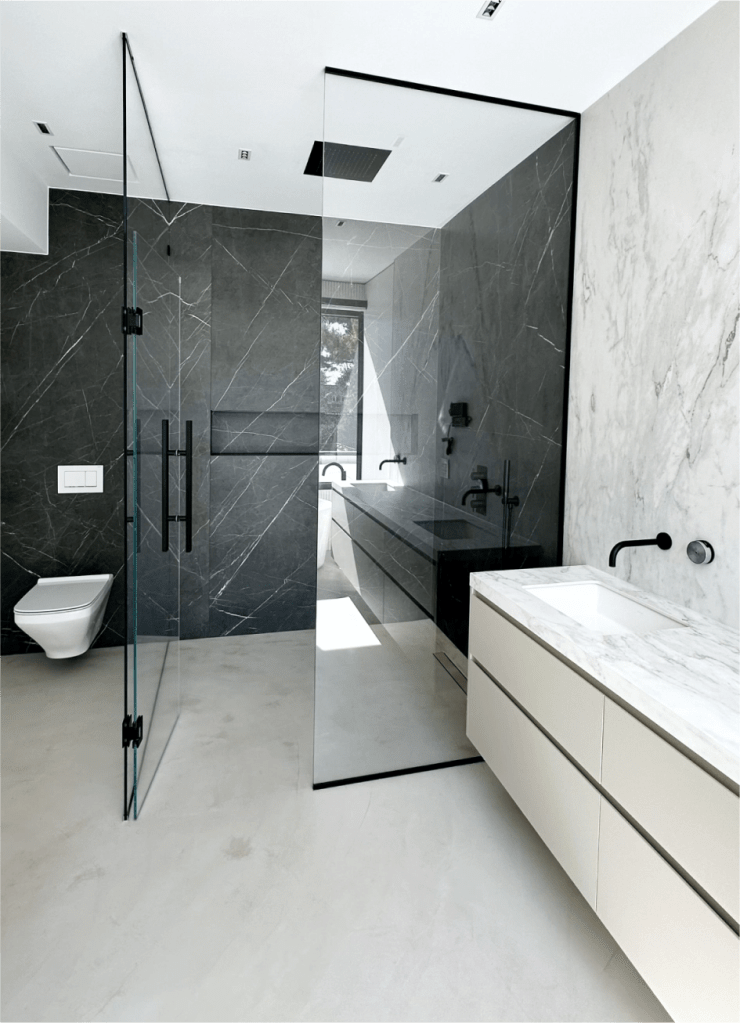
The most common condo renovation. Updating dated floor and wall tile transforms the entire bathroom. Key considerations include waterproofing the shower and tub areas with a membrane system, ensuring acoustic compliance for floor tile, and coordinating any plumbing work (fixture relocation, valve replacement) with licensed trades.
#Kitchen Floor and Backsplash
Replacing worn kitchen flooring with porcelain tile and updating the backsplash is one of the highest-ROI improvements for Toronto condos. Open-concept layouts benefit from large-format tiles that flow continuously through the kitchen and living areas.
#Entryway and Hallway
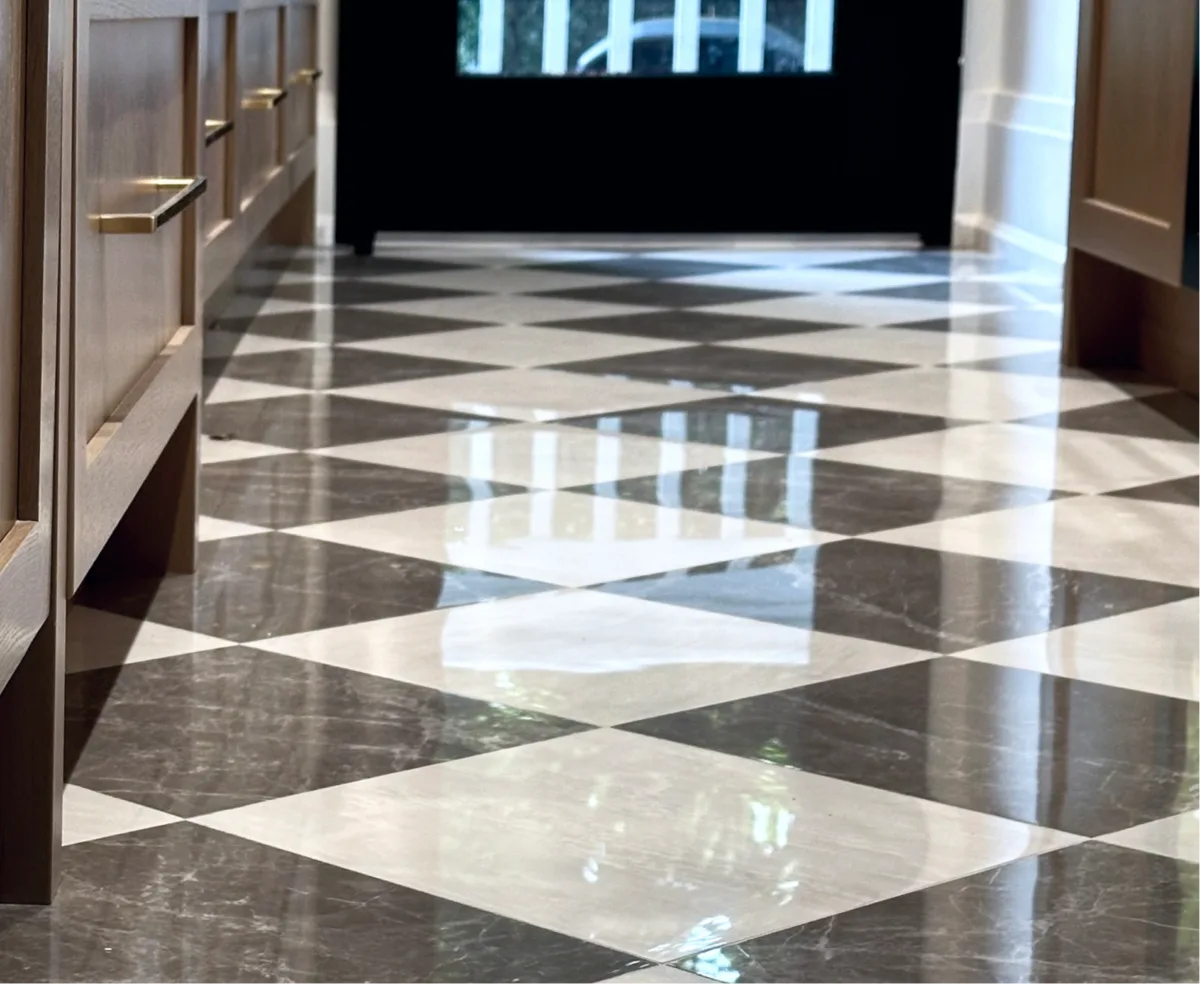
The first impression of your unit. Durable porcelain tile in the entryway protects against salt, slush, and heavy foot traffic during Toronto's winter months. This is also a critical area for acoustic underlayment, as footstep noise travels directly to the unit below.
#Balcony Tile
Some Toronto condo corporations permit balcony tiling with pedestal systems or frost-rated outdoor porcelain. Balcony tile must be frost-proof (water absorption below 0.5%), properly sloped for drainage, and installed using methods that do not damage the balcony waterproofing membrane. Always verify with your condo board, as some buildings prohibit permanent balcony modifications.
Cost Considerations for Condo Tile Renovations
Condo tile renovations in Toronto typically cost 15–25% more than equivalent work in detached homes due to:
- **Acoustic underlayment:** $3–$8 per square foot additional for sound-rated membrane systems
- **Logistics surcharges:** Elevator booking fees, parking permits for delivery vehicles, and longer material handling times
- **Damage deposits:** Refundable but tie up $500–$2,000 during the project
- **Insurance requirements:** Contractors may charge slightly more for projects requiring enhanced insurance coverage
| Project | Typical Cost Range (Toronto Condo) | |---|---| | Bathroom tile (floor + walls) | $8,000 – $18,000 | | Kitchen floor + backsplash | $5,000 – $12,000 | | Entryway / hallway floor | $2,500 – $6,000 | | Acoustic underlayment (add-on) | $3 – $8 per sq ft |
Timeline for Condo Tile Renovations
| Phase | Duration | |---|---| | Board approval process | 2 – 6 weeks | | Material ordering | 1 – 3 weeks | | Demolition and preparation | 1 – 3 days | | Underlayment and waterproofing | 1 – 2 days | | Tile installation | 3 – 7 days | | Grouting and curing | 2 – 3 days | | **Total (from approval to completion)** | **5 – 12 weeks** |
Contact Prime Tiling for professional condo tile renovation services across Toronto, North York, Etobicoke, Scarborough, Mississauga, and the GTA. We understand the unique requirements of high-rise renovations and work seamlessly with condo boards and property managers to deliver beautiful, compliant results.